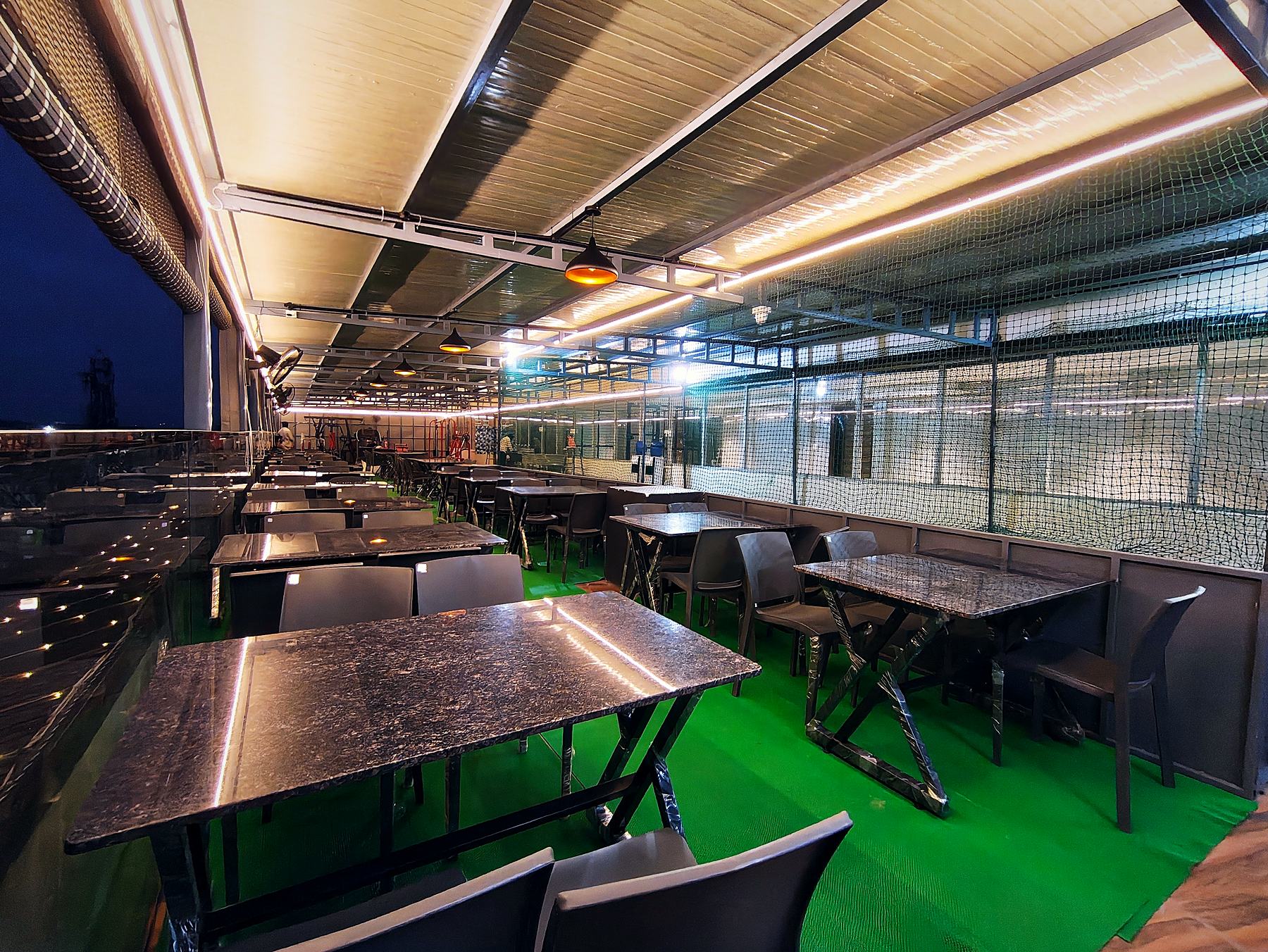
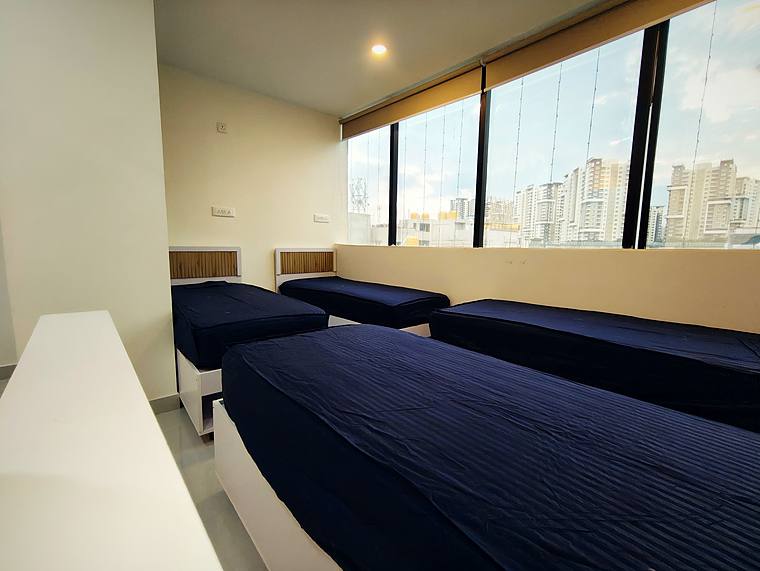
 Vaikuntum Elite Co-Livingfrom ₹6,500
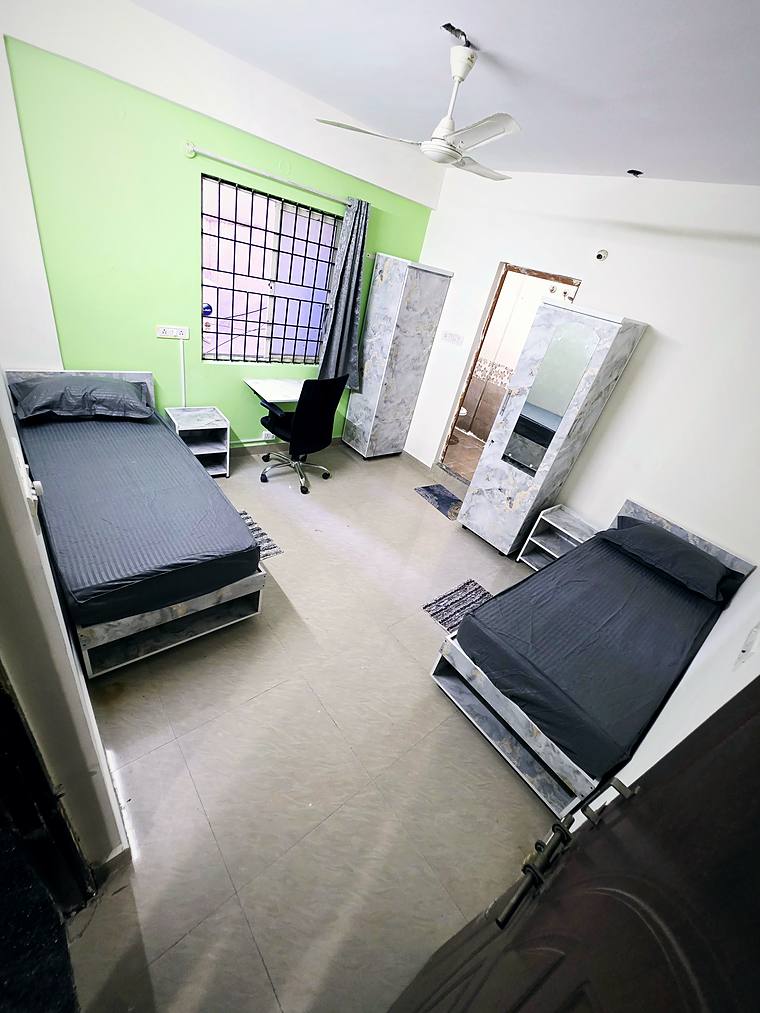 Vaikuntum Elite Gents Stayfrom ₹7,999
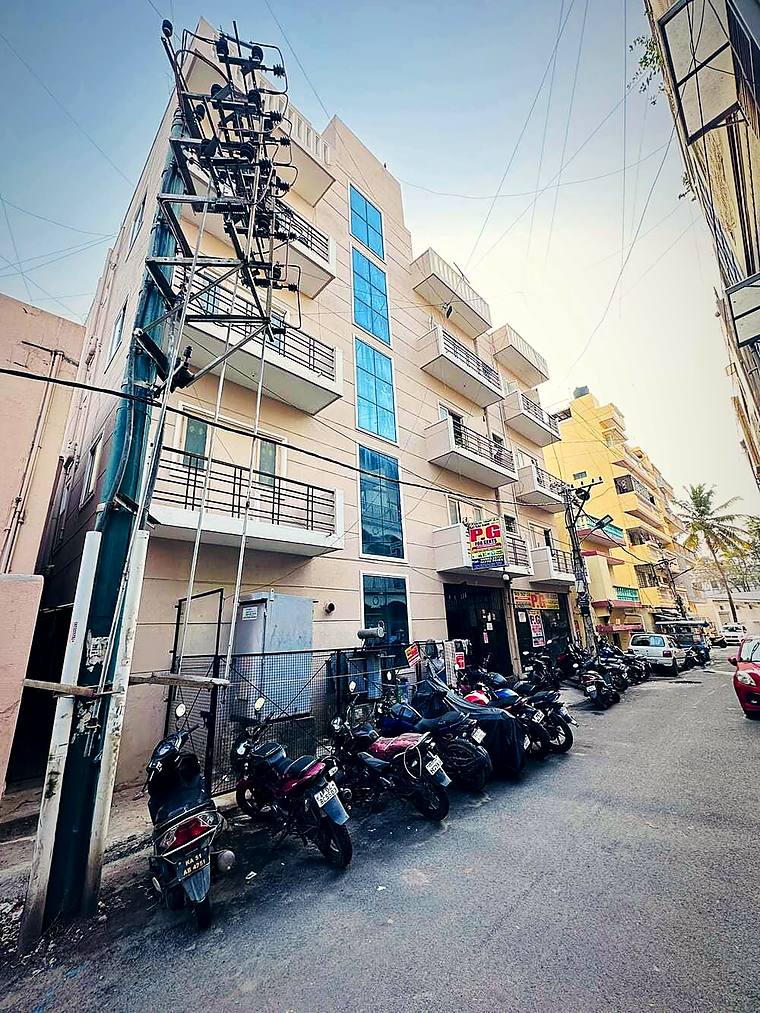 Sai Ram PG for Gentsfrom ₹7,000
- Thirty days’ notice with no lock-in is fair; a six- or eleven-month lock-in on a single bed, or a notice clause that quietly swallows your advance, is not.
- Visitor and room-entry rules exist to protect the people already living there; a PG with no rule on who may enter rooms is the riskier one.
- BBMP’s 2024 PG guidelines call for CCTV at entries and corridors with 90 days of footage, a 24×7 guard and at least 70 sq ft per occupant — a rulebook silent on safety is a flag.
- Vaikuntum Elite Co-Living publishes its rules before you book: 30 days’ notice, no lock-in, silence hours 10:30 PM–6 AM, guests ₹500 a day with approval, and residents enter only their own room.
Most PG rules in Bangalore are the same six things written in different fonts: who can visit, when the gate shuts, how much notice you give, whether you are locked in, what you may not do in the room, and what it costs when you do. The rules themselves are rarely the problem; not knowing which are normal, which are red flags and which are missing is. The test for any rule is simple: does it protect the person in the next bed, or only the owner’s cash flow? Silence hours protect residents. A non-refundable “registration fee” does not. Here is how to read a rulebook before you pay an advance.
PG notice period and lock-in: what is normal
The pg notice period is how long before leaving you must tell the management. Thirty days is the Bengaluru standard, and the normal consequence of leaving sooner is one month’s rent in lieu. Give it in writing (a WhatsApp message counts) so there is a timestamp.
A pg lock in period is different: the minimum stay before you may give notice at all. For a managed co-living with month-to-month stays, no lock-in is normal and one month is tolerable. Red flags:
- A six- or eleven-month lock-in on a single bed, as if it were a flat lease.
- Notice accepted only “on the 1st of the month”, so a mid-month notice costs nearly two months.
- Advance or deposit forfeited if you leave “before the agreed term” — read how long that term is.
- Rent payable until a replacement is found. That is the owner’s job, not yours.
PG visitor rules: normal vs red flag
Normal pg visitor rules look like this: visitors with prior permission; parents in the daytime; a fixed per-day charge for an approved guest who stays over; a fine for an unapproved or overnight guest; and no entry to anyone else’s room. The last one matters more than people think — it is what stops a roommate’s friend from sleeping on your side of the room.
Red flags run in both directions. A PG where anyone can walk in at any hour with no register is a safety problem. A PG that will not let a parent sit in the lounge in the afternoon is a control problem. Ask what happens if your mother visits on a Sunday; the answer tells you how the building is run.
PG curfew timings, silence hours and late shifts
Older PGs lock the gate at a fixed hour, often 10 or 11 PM, and pg curfew timings are the first thing shift workers should ask about. Managed co-livings tend to replace the gate time with controlled entry (face recognition, card or biometric access with a guard on duty) and silence hours, which say when the building must be quiet rather than when it is closed. Either model can be fine. What you want in writing is how you get in after midnight, whether it costs anything, and whether anyone has to be woken up to let you in.
Fines, housekeeping access and the rules nobody reads
The fine schedule is where a rulebook shows its character. Expect fixed amounts for noise in silence hours, smoking outside the zone, alcohol, food or utensils kept in rooms, lost keys, and high-power appliances such as heaters in rooms. These are safety and hygiene rules, and a fixed, published fine is fairer than a discretionary one. Two clauses that surprise people but are standard: housekeeping must be allowed into the room on its schedule, and the management is not responsible for valuables left in the room. Both are reasons to use the cupboard lock.
The safety rules the city expects a PG to follow
After a resident was murdered in a Bengaluru PG in July 2024, BBMP issued guidelines tying trade licences to safety norms: CCTV covering all entry and exit points and corridors with footage kept for 90 days, a security guard on the premises 24 hours a day, at least 70 square feet per occupant, fire safety clearance before a licence is granted, adequate drinking water, hygienic washrooms and emergency helpline numbers on display. In September 2026 the Karnataka High Court added guidelines directing authorities to identify unlicensed PGs and run risk-based inspections for fire, building and electrical safety. A rulebook that fines you for a wet towel but says nothing about cameras, guards or a licence has its priorities backwards.
Vaikuntum’s rulebook, as an example
At Vaikuntum Elite Co-Living, Bommanahalli, the rules are published on the branch page before you book. The ones people ask about most:
- Notice and lock-in: monthly stays, no lock-in, 30 days’ notice or one month’s rent in lieu. No monthly security deposit — a one-time advance of ₹4,000–5,000 and a ₹2,500 maintenance charge when you leave.
- Visitors: only with prior permission; parents in the daytime with approval; an approved guest stay is ₹500 a day; an unauthorised or overnight guest is a ₹1,000 fine.
- Room entry: residents enter only their own room — men are not allowed in women’s rooms and vice versa, and couples share their couple room only. Lounges, the theatre, the terrace and the dining hall are for everyone.
- Night: silence hours 10:30 PM to 6 AM (₹500 fine), with face-recognition or card entry, CCTV across the building and 24/7 security. If your shift ends after midnight, confirm the entry arrangement with the branch before you book.
- Fixed fines: alcohol ₹500 (repeat means eviction), smoking outside the smoking zone ₹500, food or utensils in rooms ₹500, high-power appliances in rooms ₹1,000 plus confiscation, lost key ₹500; damage recovered at cost.
- Money: rent due by the 5th, late fee ₹200 a day; token, advance and rent are non-refundable once paid.
Our gents’ branch in Ejipura follows the same pattern: 30 days’ written notice, guests at ₹500 a day with approval, and a security deposit refunded within 24 hours of check-out after inspection.
Reading PG rules in Bangalore: the five-minute method
- Find the notice period and lock-in. Anything beyond 30 days and one month needs a reason.
- Find what happens to your advance or deposit if you leave early, and when it is refunded.
- Find the visitor, guest and room-entry rules. Missing is worse than strict.
- Find the gate time or the late-entry process.
- Check the safety basics the BBMP expects: cameras, a guard, a licence.
If the rulebook is not in writing, that is the rule to worry about. For a copy of ours, or to see the building, WhatsApp us to book a free visit.